Is Color a Privilege?
What designing with limitations can teach us about craft.

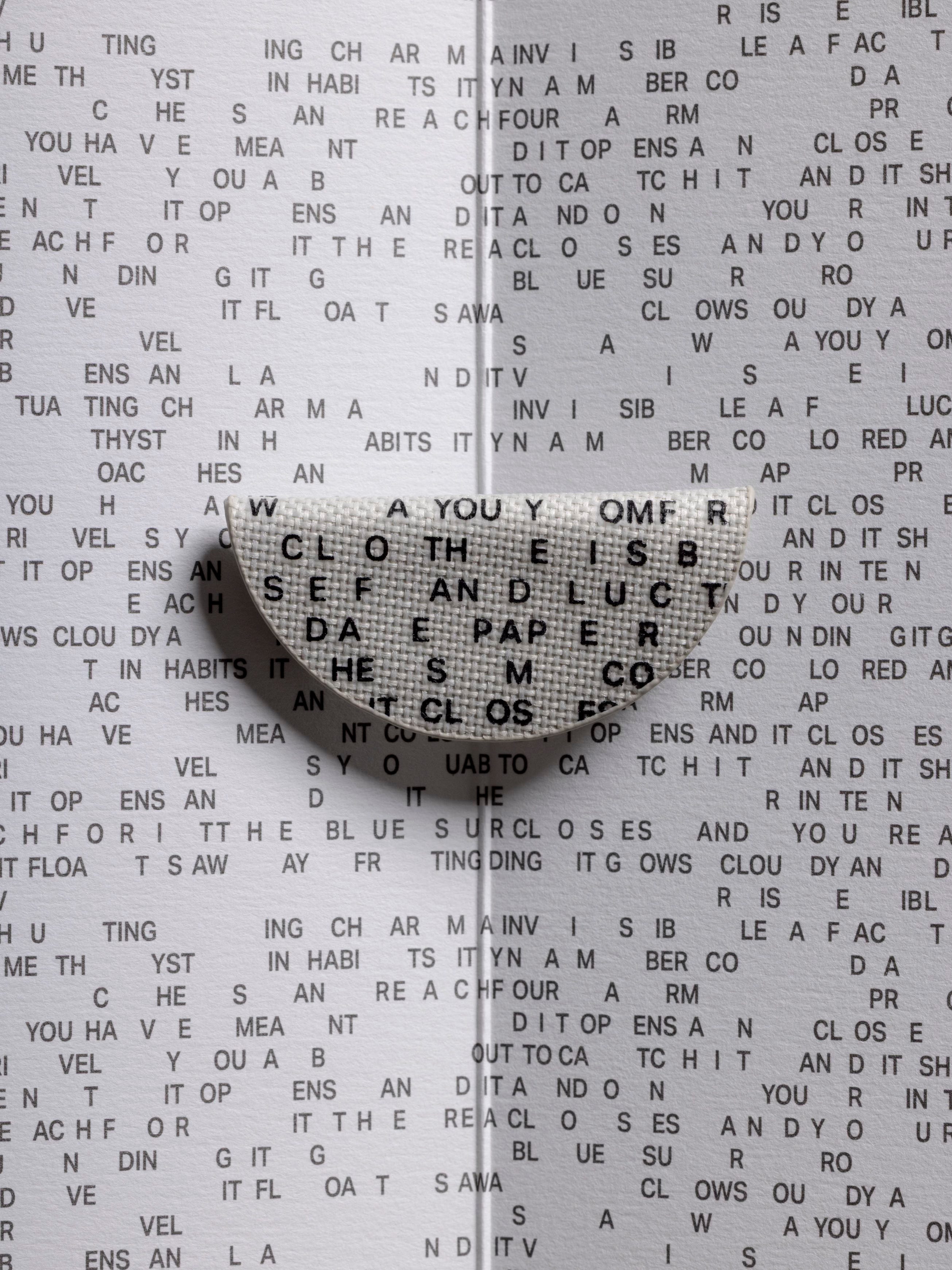
I just wrapped up a pretty electric Happy Hour Live on YouTube. It is our weekly session where we launch new products, run demos, and spend time with the community. I was still buzzing when I stopped by the Design Office afterward to talk about how the live went. I asked if they caught how often the chat mentioned the design details in the box and how much people loved the shift we made in this year’s November Intention Box.
That small moment led to a bigger conversation about where we have been pushing design this year. The November box felt like a quiet recentering. A reminder of what we do best: neutrals.
Working in black, white, cream, and gray is not easy. I think it is one of the hardest palettes to make feel alive. Without color to lean on, you are left with the fundamentals: form, texture, contrast, and balance. You start to notice how light sits on a surface, how shadows frame an object, how materials talk to each other.
Neutrals have a reputation for being flat or safe. But that is only true when you forget that the real magic in design is not color. It is composition. Nate and Andrew, two of our designers, said something that stuck with me: color is a privilege. That comment opened the floor.
It was asked if color was a privilege primarily because, in many design programs, students are forced to learn to design without color first. This helps build a foundation rooted in principle, not shortcuts. You are trained to make your work speak through structure, balance, and form. Only after mastering these fundamentals are you introduced to color. The privilege of using color is granted when you have learned how to use the tools and use them well. So we ask, is color a privilege?
At Cloth & Paper, we’ve spent a decade designing, testing, experimenting, and yes, earning our stripes to work with color. But we’re feeling called back to show what happens when you strip things down and build from the core. This season, we’re bringing neutrals back to life, with just the smallest, most intentional injections of color.
That is exactly what we tried to do with the November Intention Box. When you strip away distraction and still create something beautiful, it shows how deeply your hands understand the medium. The result can feel more complex and layered than color ever could.
You can catch the live replay, and a breakdown of the design process behind the November Neutral Intention Box [here].
Ashley
Color certainly can mask what one is trying to express in design. I think that's where sticking to a palette forces us to focus the concept best. I will say, using bland neutrals is bold when layered with texture and intention, as was done with this box. Your team certainly made space to allow us to admire the design and remix it to fit our unique styles. (I'm itching to add some burgundy in it!)
Angela Davis quotes Karl Marx by saying, "To be radical is to grasp the root of the matter," and CP is being radical with the neutrals this season. Getting back to the very root of design...and I love it.